Quantum Computing's Next Leap: Error Correction Unlocks Real-World Potential
Quantum computing is rapidly evolving, with error correction emerging as the crucial breakthrough to move beyond theoretical models to practical applications. Explore its impact.
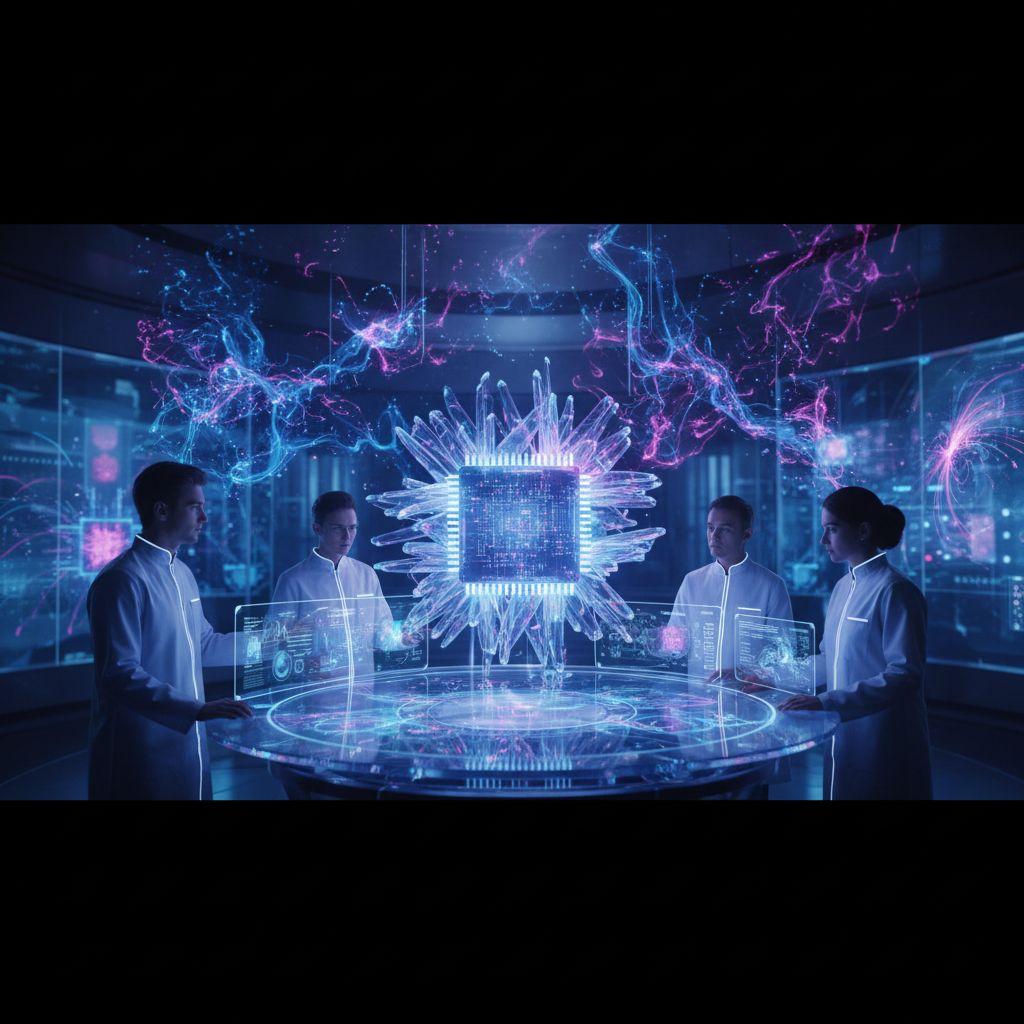
The Quiet Revolution in Quantum Computing
For years, quantum computing has occupied a curious space: a field of immense promise, yet perpetually ‘just around the corner.’ While headlines often focus on increasing qubit counts, the real, tangible progress this week lies in the often-overlooked but utterly critical domain of quantum error correction (QEC). This isn't just an incremental improvement; it's the foundational shift that begins to bridge the gap between noisy experimental setups and reliable, fault-tolerant quantum computers capable of solving real-world problems.
Without robust error correction, even the most impressive qubit counts are largely academic. Quantum states are incredibly fragile, susceptible to environmental noise and decoherence, leading to rapid loss of information. Imagine trying to perform complex calculations on a calculator where numbers spontaneously change; that's the challenge. The recent advancements in QEC protocols and experimental demonstrations are laying the groundwork for truly scalable and useful quantum machines, making 2026 a pivotal year.
Why Error Correction is Quantum Computing's Holy Grail
Unlike classical bits, which are either 0 or 1, quantum bits (qubits) can exist in superposition, allowing for exponentially more complex calculations. However, this very sensitivity makes them prone to errors. A classic bit can be simply duplicated to check for errors; a qubit, due to the no-cloning theorem, cannot. This fundamental difference necessitates entirely new approaches to error management.
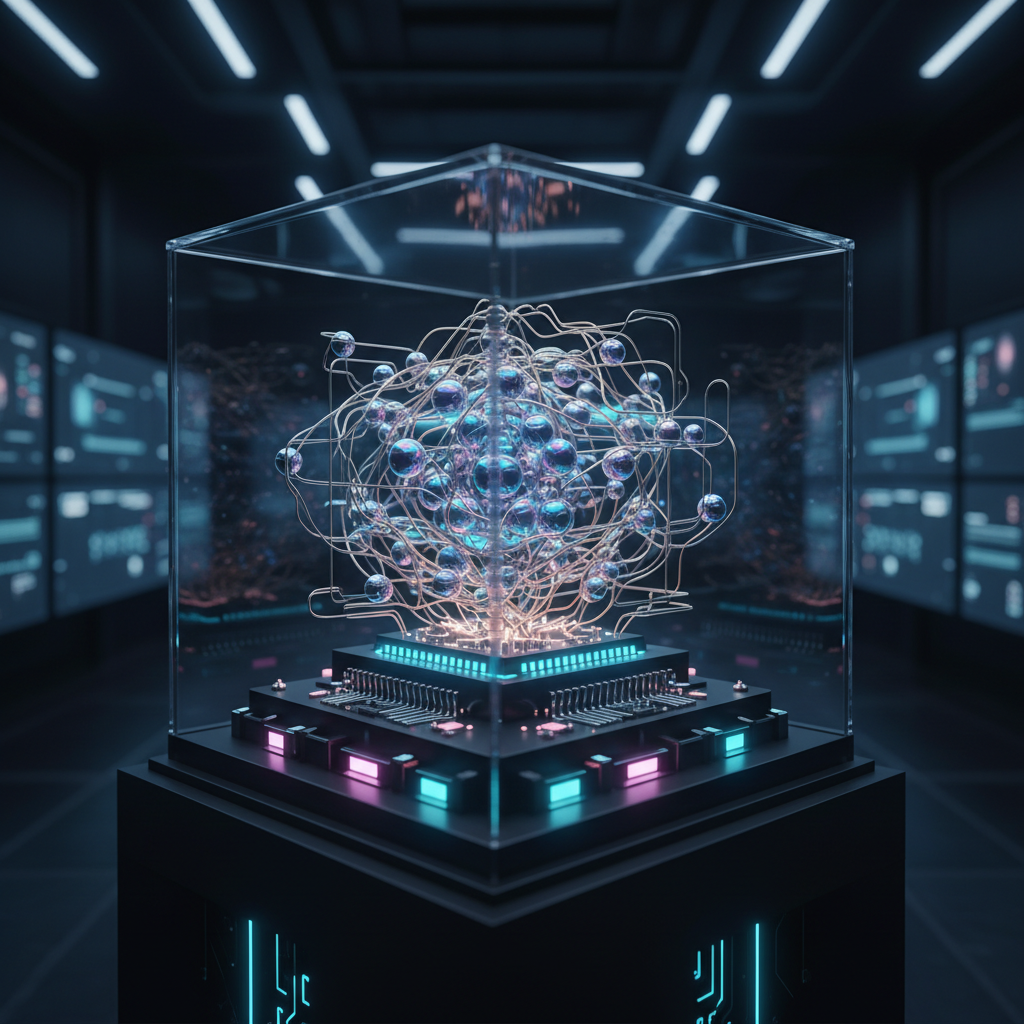
Quantum error correction codes work by encoding a single logical qubit across many physical, entangled qubits. This redundancy allows the system to detect and correct errors without directly measuring and collapsing the fragile quantum state. Recent breakthroughs involve not just theoretical improvements in these codes, but also the experimental realization of these protocols with higher fidelity and over longer coherence times. This means scientists are getting better at identifying specific error types – bit flips, phase flips, or combinations thereof – and implementing corrective actions before the computation is irrevocably corrupted.
Recent Strides and Experimental Validations
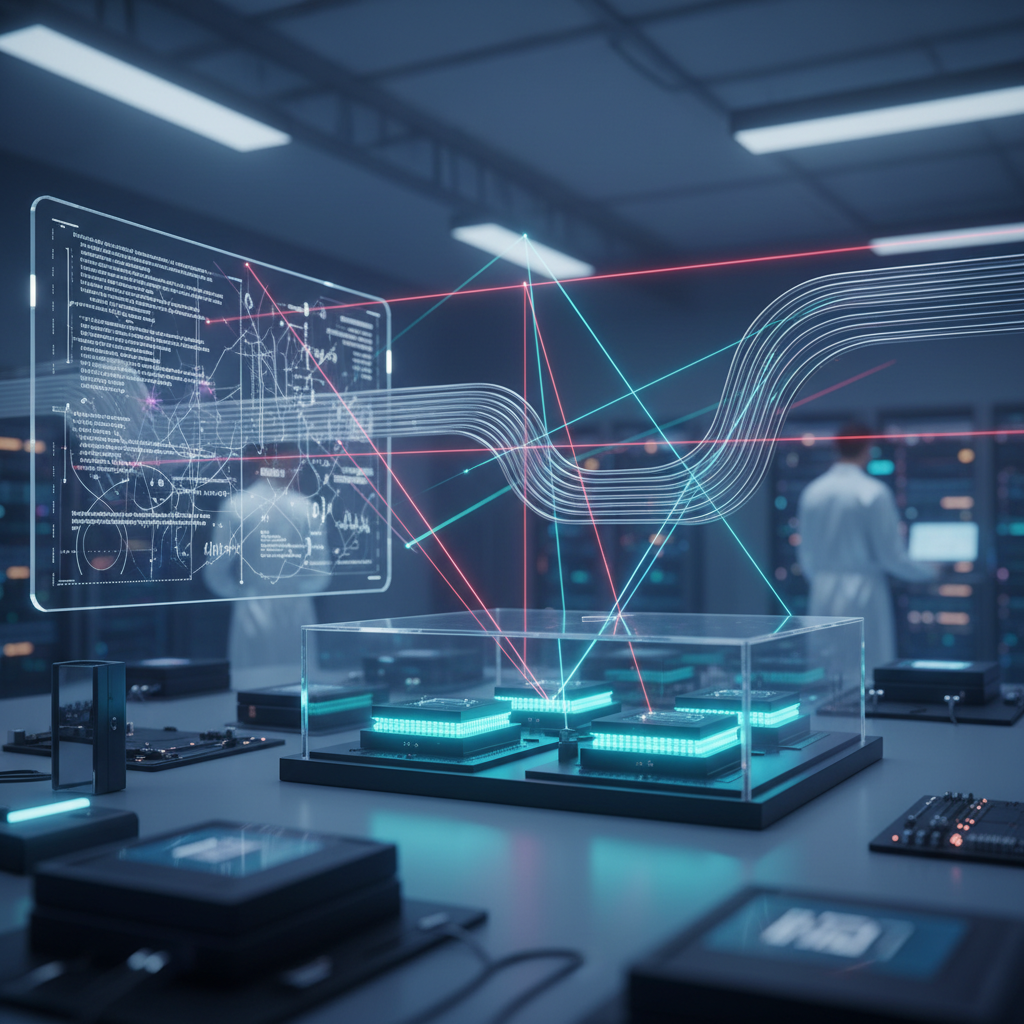
This week saw research labs and quantum tech companies reporting significant progress in two key areas: the development of more efficient QEC codes and the practical implementation of these codes on increasingly complex qubit architectures. Some groups are demonstrating 'break-even' point experiments, where the information gain from error correction outweighs the errors introduced by the correction process itself – a crucial milestone. Others are focusing on topologically protected qubits, which inherently offer a degree of error resistance, and then layering QEC on top.
- Improved Qubit Coherence: While not strictly QEC, longer coherence times reduce the rate at which errors occur, making QEC more feasible. Integrated approaches are key.
- Fault-Tolerant Gate Operations: Moving beyond simple error detection, researchers are demonstrating quantum operations (gates) that are themselves resistant to errors.
- Scalable Architectures: Progress in knitting together small, error-corrected modules into larger, more complex quantum processors.
The Path to Fault-Tolerant Quantum Computers
The journey from 'noisy intermediate-scale quantum' (NISQ) devices to truly fault-tolerant quantum computers is long, but error correction is the engine driving it. Current NISQ machines are limited in the depth of calculations they can perform before noise overwhelms the signal. With effective error correction, the computational resources required for complex algorithms shrink proportionally to the remaining error rate, allowing for deeper circuits and the tackling of problems currently out of reach.
This isn't just about making existing quantum algorithms work; it unlocks an entirely new class of applications. Imagine cracking currently uncrackable encryption, simulating complex molecular interactions for new drug discovery with unprecedented accuracy, or optimizing logistics on a global scale. These are the promises of fault-tolerant quantum computing, and QEC is the key.
Industry Implications and Future Outlook
For industries ranging from finance and healthcare to materials science and national security, the implications are profound. Companies are investing heavily in QEC research, recognizing it as the choke point for commercial quantum advantage. We're seeing collaborations between hardware providers, software developers, and academic institutions converging on this challenge.
While fully fault-tolerant quantum computers are still some years away, the rapid advancements in error correction techniques mean that the timeline is steadily shortening. It’s no longer a matter of if, but when. This pivotal moment demands that organizations begin to understand the nuances of quantum error correction and how it will redefine the landscape of computation. Those who grasp its significance now will be best positioned to leverage the immense power of quantum computing as it matures.
Conclusion
The past week’s developments underscore that quantum computing is no longer solely about qubit counts; it's about the quality and resilience of those qubits. Quantum error correction is proving to be the essential ingredient, transforming theoretical marvels into practical tools. As we look towards the next generation of quantum machines, the success of error correction will dictate the pace of innovation and the eventual impact of this truly transformative technology.
Related Articles
More from Emerging Tech